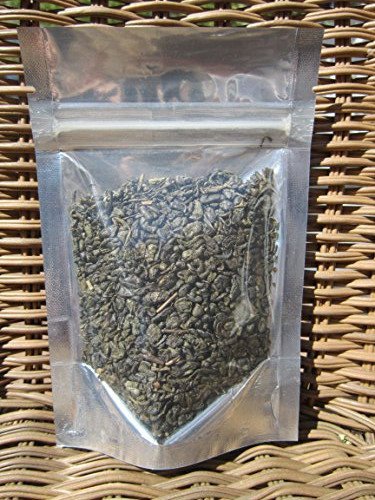
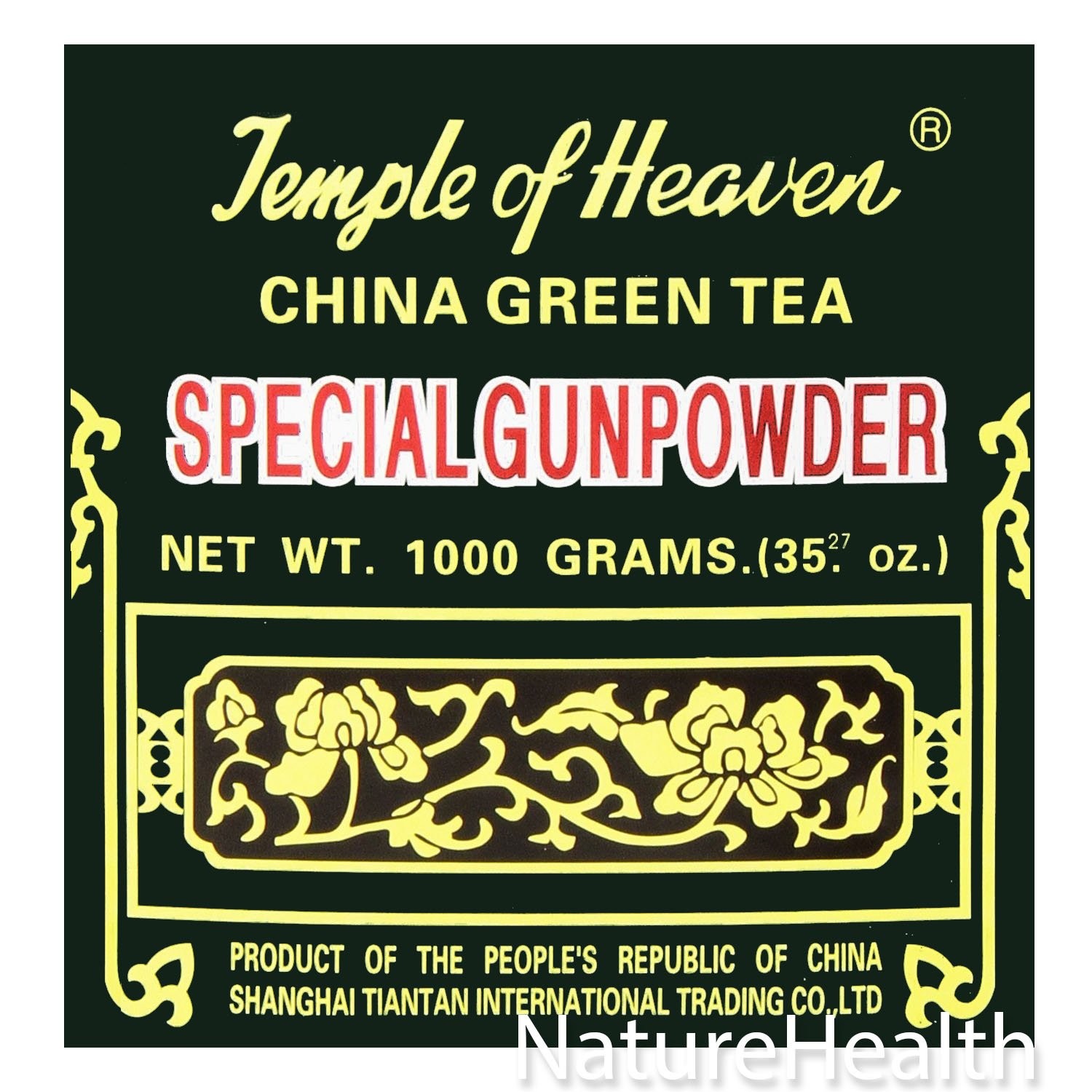
Gunpowder Green Tea
- High Quality From Temple Of Heaven
USD $7.95
Condition : New
Free Shipping
{{variant_type_name}} :

Notify me when the price drops
We will email you if we find a lower price on this product!
Green tea is made from the leaves from Camellia sinensis that have undergone minimal oxidation processing. Green tea originated in China, but it has become associated with many cultures throughout Asia. Green tea has recently become more widespread in the West, where black tea has been the traditionally consumed tea. Green tea has become the raw material for extracts used in various beverages, health foods, dietary supplements, and cosmetic items. Many varieties of green tea have been created in the countries where it is grown. These varieties can differ substantially due to variable growing conditions, horticulture, production processing, and harvesting time. Regular green tea extract containing polyphenols and caffeine has been shown to induce thermogenesis and stimulate fat oxidation, boosting the metabolic rate 4% without increasing the heart rate. The mean content of flavonoids in a cup of green tea is higher than that in the same volume of other food and drink items that are traditionally considered of health contributing nature, including fresh fruits, vegetable juices or wine. Green tea steeping time and temperature varies with different tea. The hottest steeping temperatures are 81 to 87 °C (178 to 189 °F) water and the longest steeping times two to three minutes. The coolest brewing temperatures are 61 to 69 °C (142 to 156 °F) and the shortest times about 30 second.
Price type
IN STOCK
OUT STOCK








 .
.
